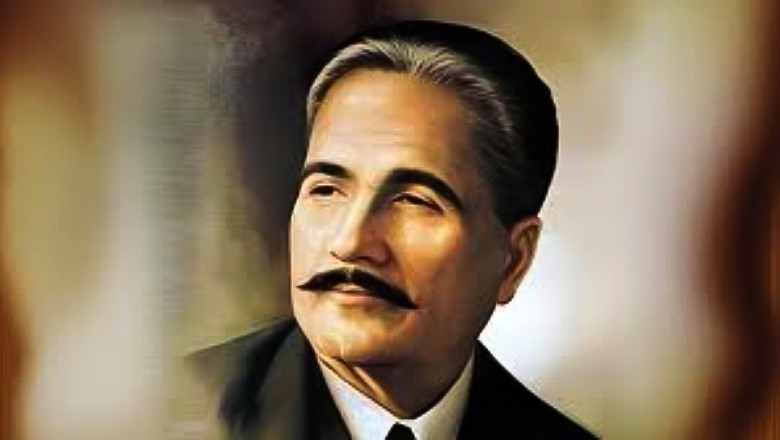
Allama Muhammad Iqbal
1877 – 1938
Poet of the East • Thinker • Philosopher
Allama Muhammad Iqbal (9 November 1877 – 21 April 1938) was a renowned poet, philosopher, and political thinker. He is widely celebrated for inspiring Muslims of the subcontinent through his poetry and ideas of selfhood (Khudi), unity, and renewal. Iqbal wrote in both Urdu and Persian, and his works continue to motivate generations with themes of faith, dignity, courage, and purposeful action.
He studied in Lahore and later in Europe, including the University of Cambridge and the University of Munich. His thought played a significant role in shaping modern Muslim intellectual discourse in South Asia. Iqbal is remembered as a visionary voice who urged youth to dream big, stand for truth, and become strong in character.
Famous Works
- Bang-e-Dra (The Call of the Marching Bell)
- Bal-e-Jibril (Gabriel’s Wing)
- Zarb-e-Kalim (The Rod of Moses)
- Asrar-e-Khudi (Secrets of the Self) — Persian
- Rumuz-e-Bekhudi (Mysteries of Selflessness) — Persian
- Payam-e-Mashriq (Message of the East) — Persian
- Javid Nama (Book of Eternity) — Persian